 News
News Articles
 Interviews
 Webinars
 Events
 Advertise with us
 About Us
 Contact Us
 Privacy Policy
 Terms & Conditions
 Cookie Policy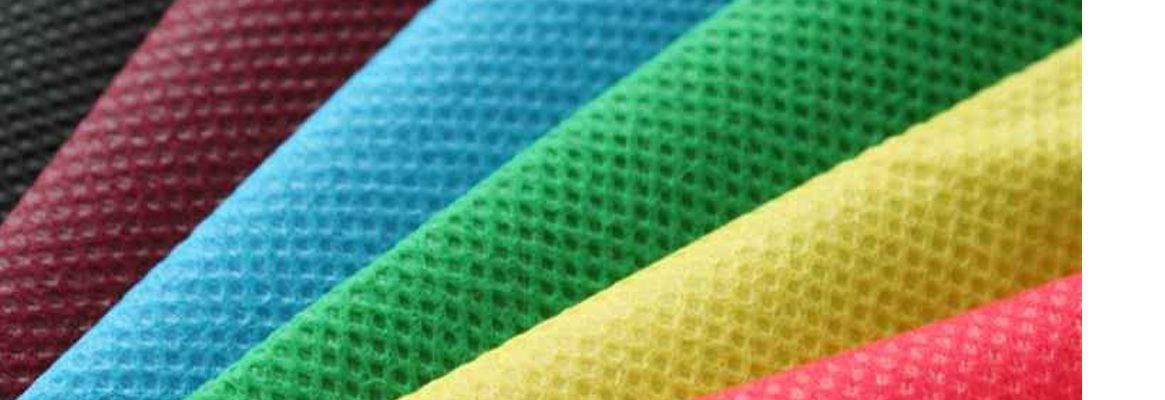
1. Disposable Textiles
Disposable literally means designed for or capable of beingthrown away after being used or used up. Disposable textiles are textiles usedin or as apparel for functional applications, designed to be disposed of afteruse. They are bound by "use and throw" concept. Textiles includefibre, yarn, woven, knitted, braided structures and nonwovens. Of thesenonwovens fit most under the disposable category as they can be produced byusing compact production lines which give much higher productivity at muchlower operating cost. They can be tailor made functionally and economically forthe end user. Nonwovens are used in apparels as well as technical applications.To list a few: Absorbent hygiene, Wipes, Medical, Filtration.
2. Existing Indian Market
A very good phase change is being observed in India from the durables to the disposables. The potential for nonwovens usage in India is great and there are many reasons why it will form an important sector. The worldgiants in consumer products have all modified their strategies to suit Indianconditions prior to achieving any success.
Behind China, India is the second fastestgrowing economy. According to a survey by Goldman Sachs, India will become the 3rd largest economy by 2035. This is measured in $US. Ifwe use PPP (purchasing power parity) which takes into account local purchasingpower, India already has the 3rd largest economy. However, despite having a GDPof US $1.09 trillion (2007), this works out as an average GDP per capita of $964($4,182 at PPP- cost of living is relatively cheaper in India). According to anew report by Goldman Sachs, India will grow at 8% until 2020. The new forecastwould see India overtake the United States to become the largest economy in theworld after China after 2042.
With the younger workforce and growing per-capitaincome, the middle and upper classes will grow significantly, and spending willincrease. Although the use of nonwovens per-capita is extremely low in India at $0.04/capita compared to $2.73/capita in North America, the market is growing rapidly forend uses in feminine care, medical, automotives and packaging applications.
The hygiene market in India has a greatpotential because of the low penetration and the sheer size of the market. Theentry strategies with feminine hygiene products followed by baby diapers, andeventually adult incontinence, will make it possible for women, children andadults to benefit from new, hygienic and easy-to-use products. The need forsingle-use surgical products (gowns and drapes) is imminent in Indian hospitals.
About the Author
The authoris currently working as an Associate Director with Technopak Advisors Pvt. Ltd.heading Textile Technology Group.